
🇧🇷
Para uma criança, um desenho nunca é só um desenho.
É uma forma de dizer o que ainda não sabe dizer com palavras e de mostrar, à sua maneira, quem faz parte da sua vida.
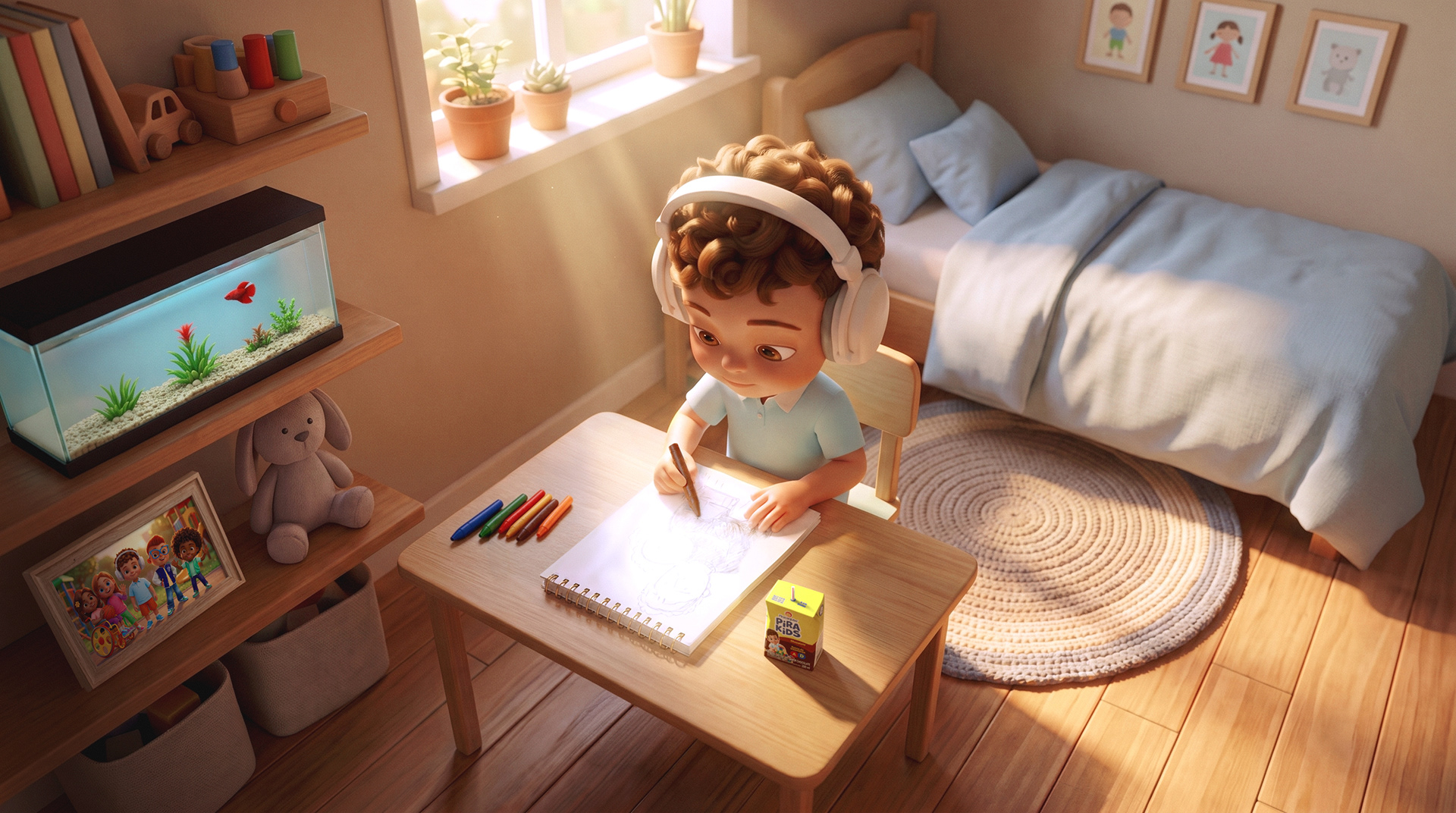
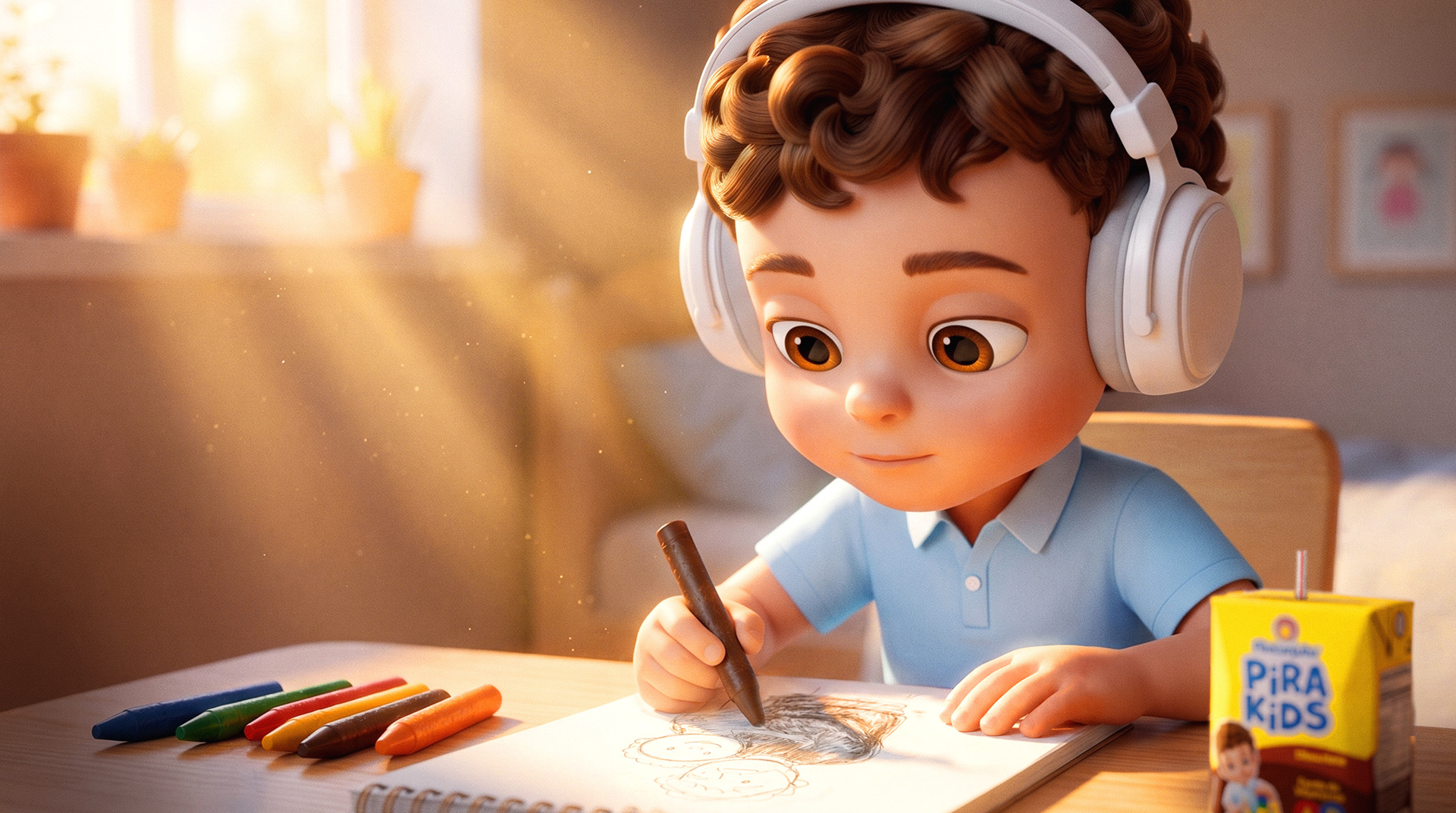
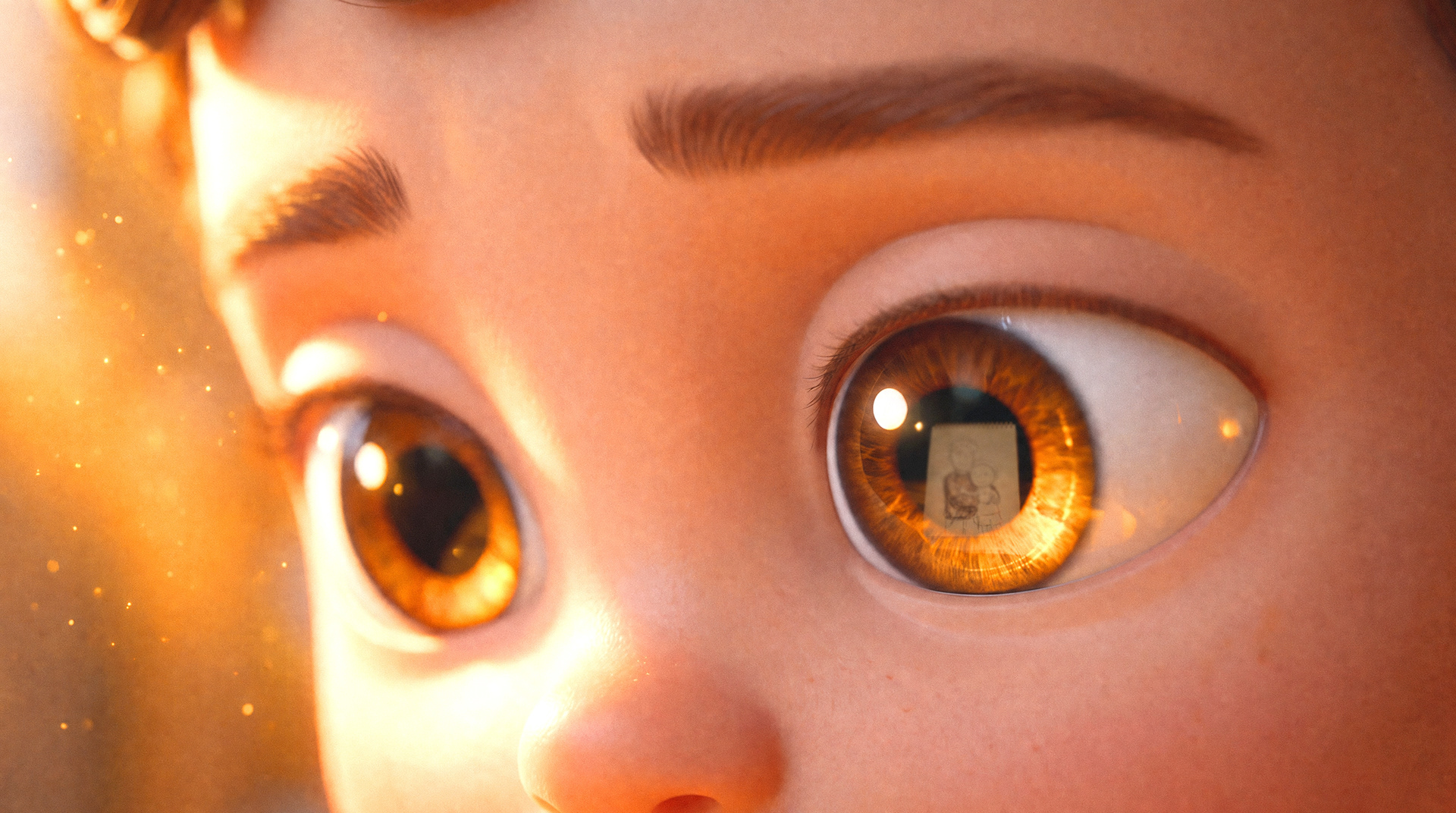
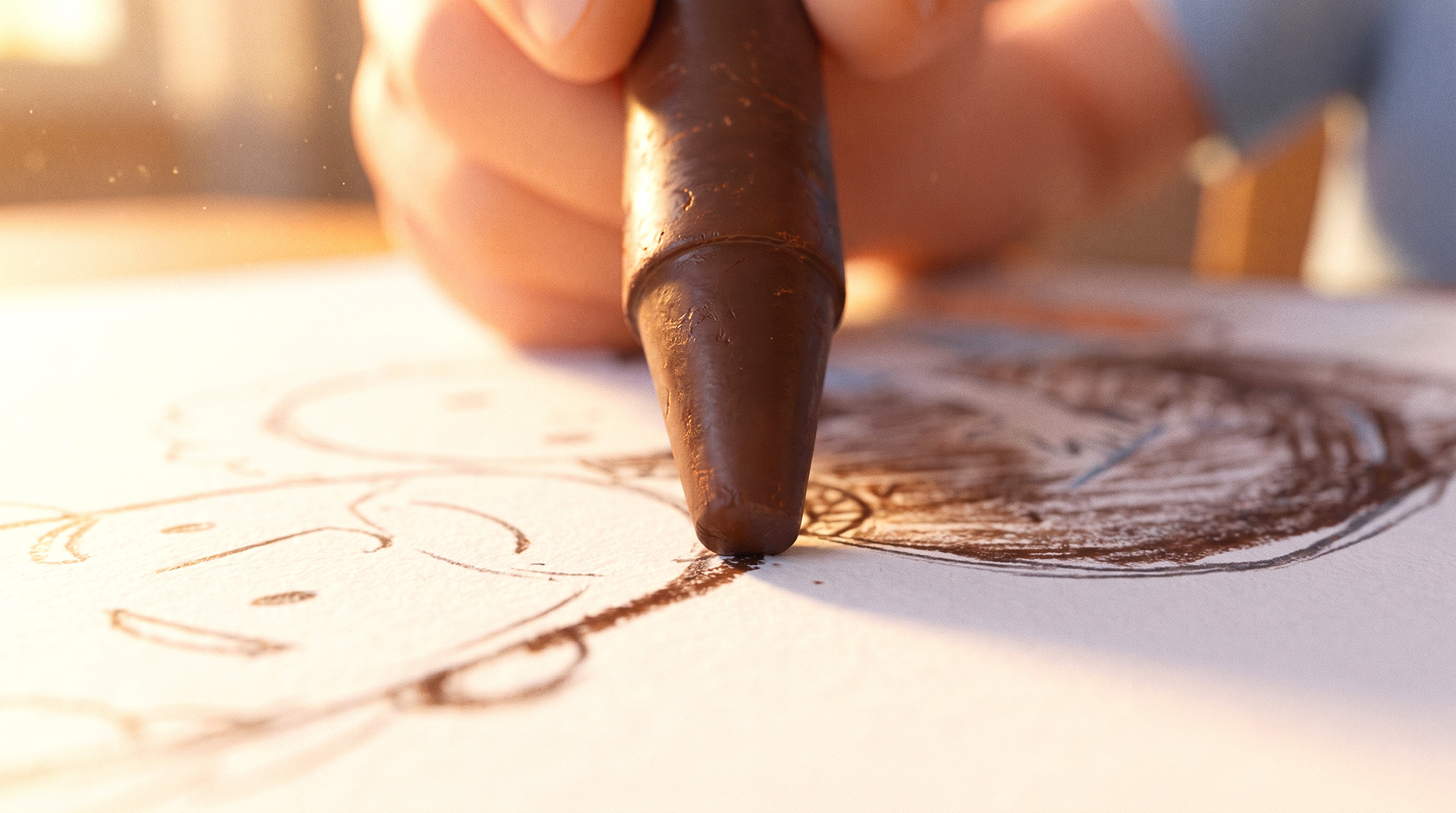
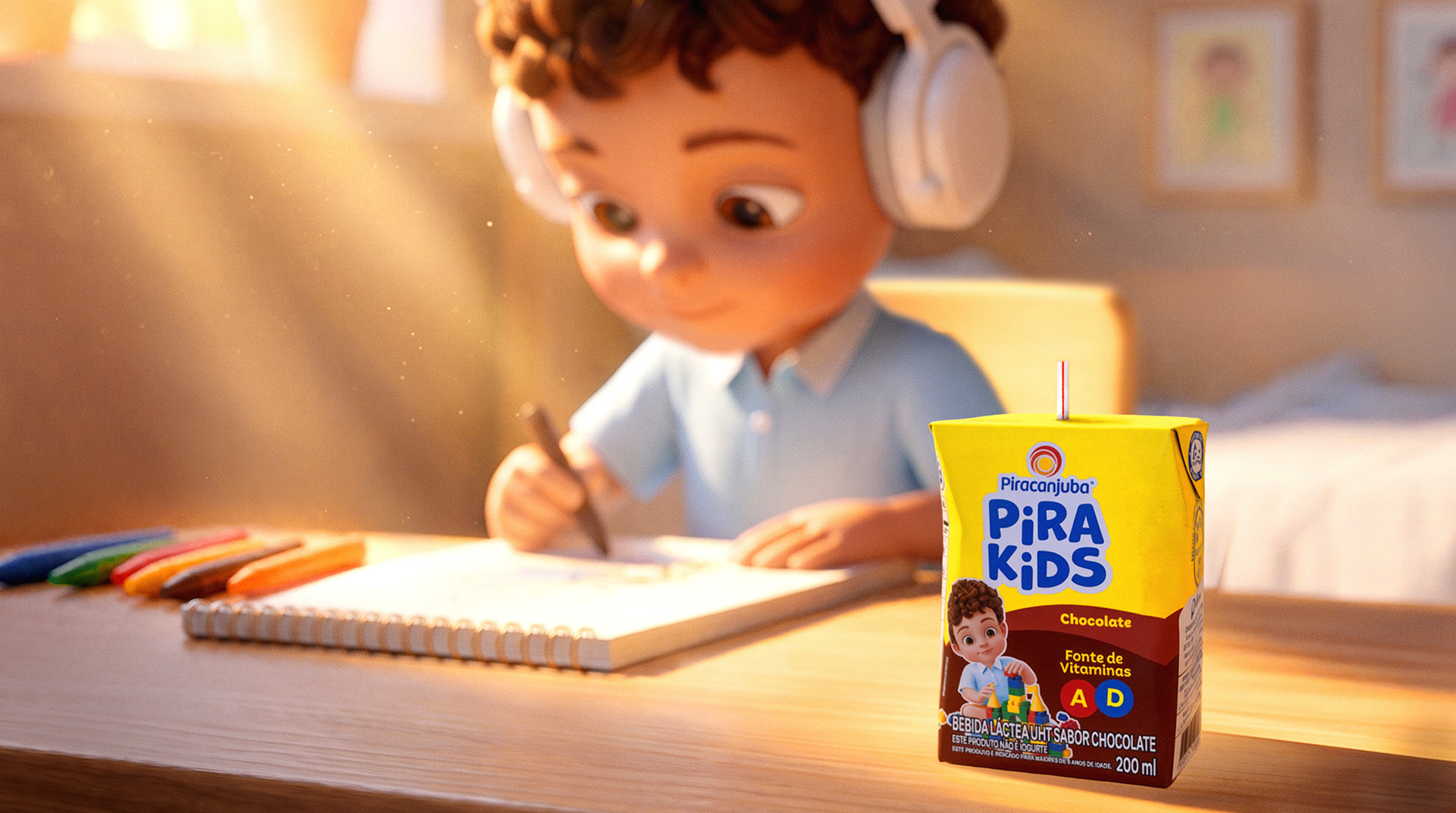
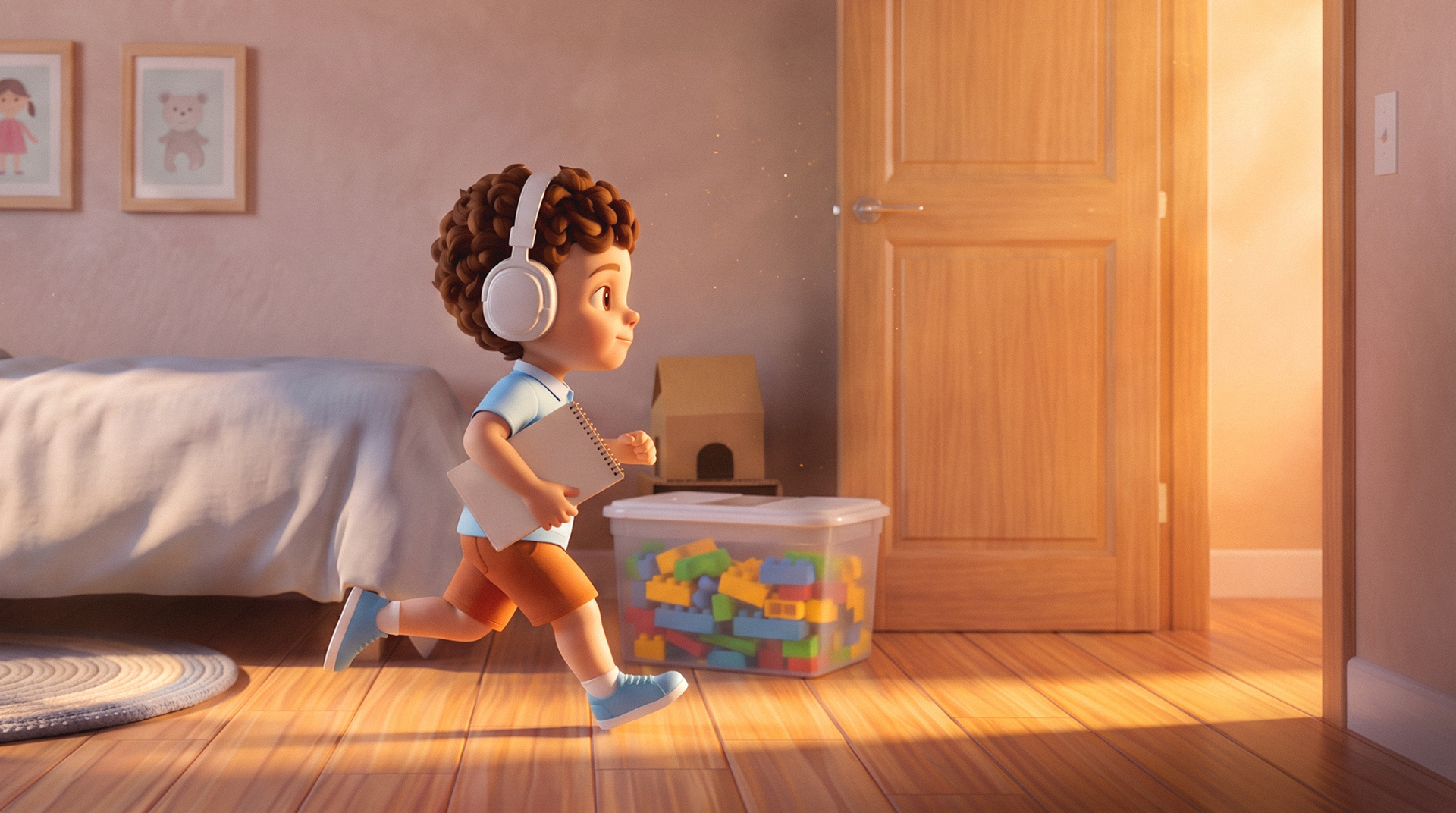
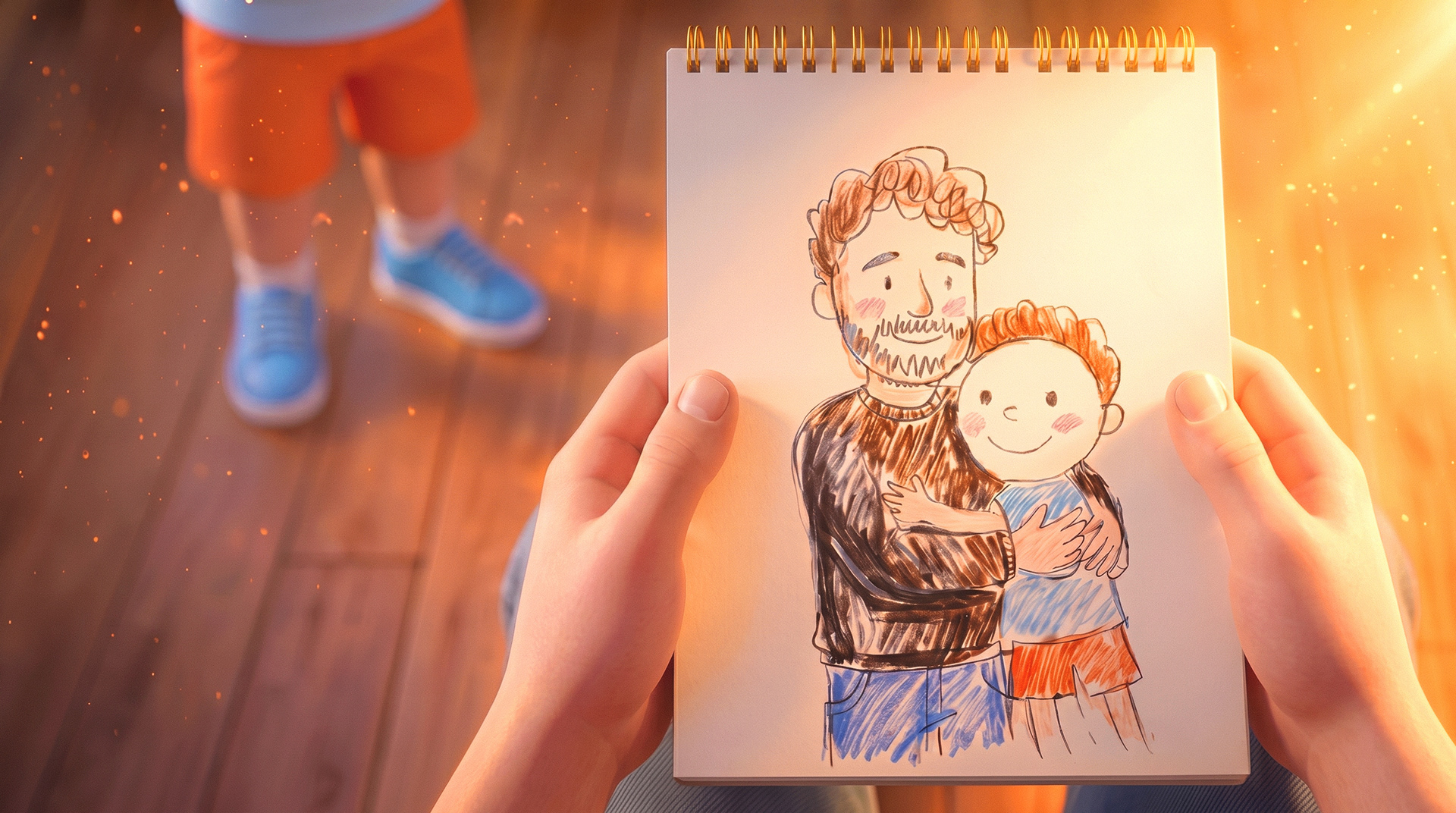
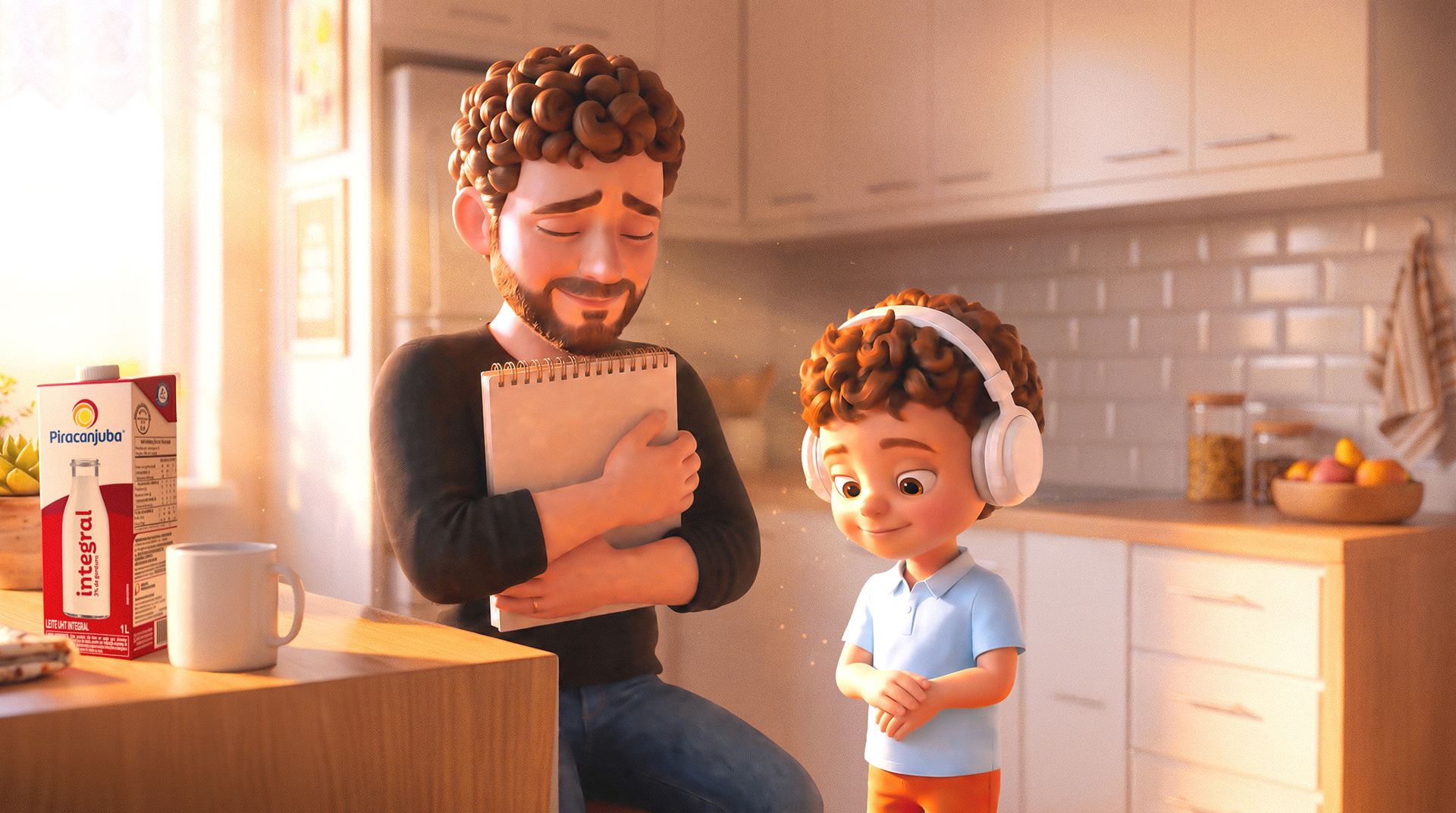
"Desenhos do Meu Filho" acompanha Biel, um dos personagens da turma PiraKids, desenhando o pai como presente de Dia dos Pais. A narrativa é conduzida pela voz do pai, que observa o filho com admiração e reconhecimento; sem nomear, sem explicar, apenas enxergando. O filme não fala sobre autismo. Fala sobre um pai que vê o filho como ele é, e se orgulha disso. Quem reconhece os sinais, reconhece. Para todos os outros, é uma história bonita sobre amor entre pai e filho.
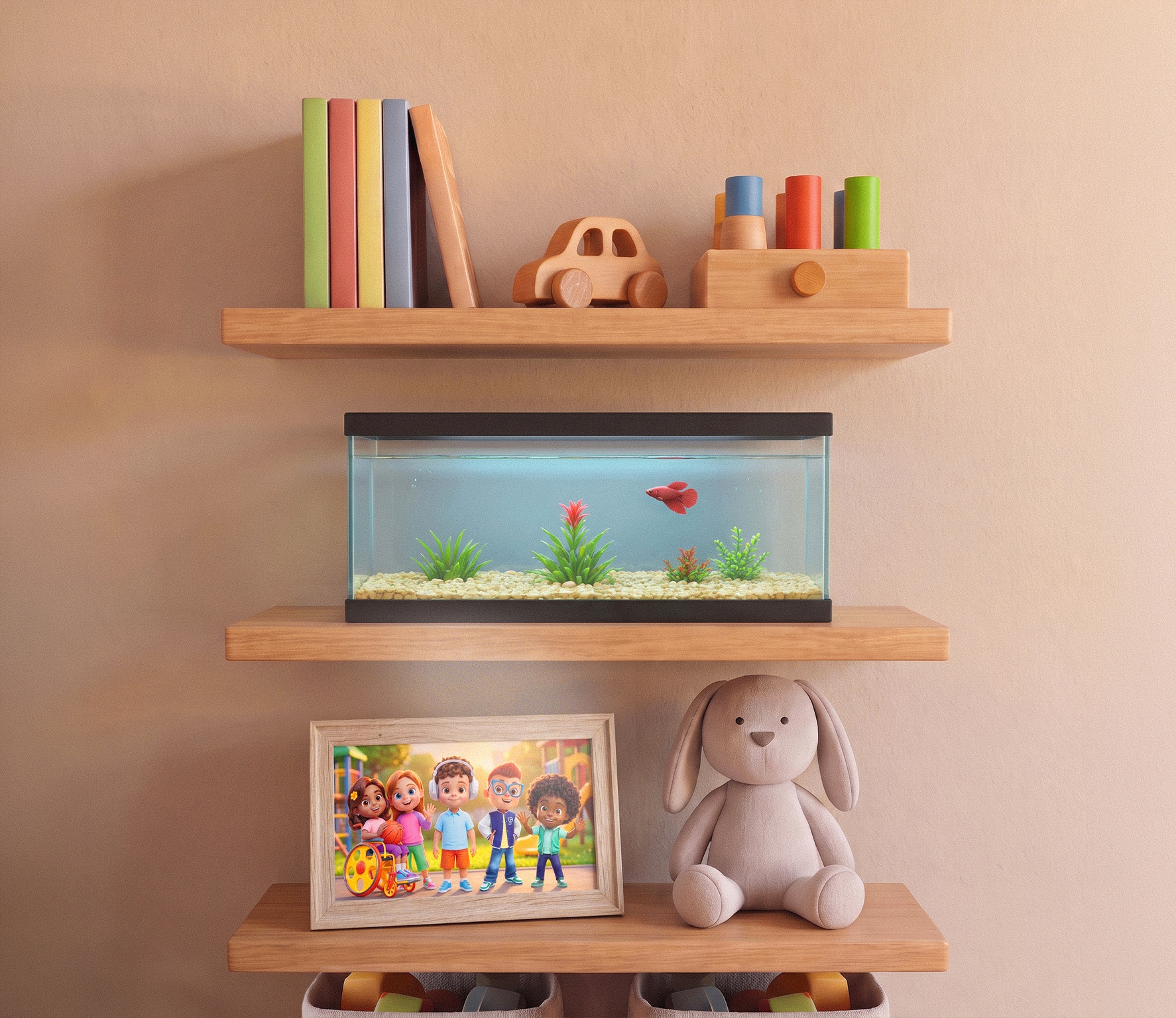
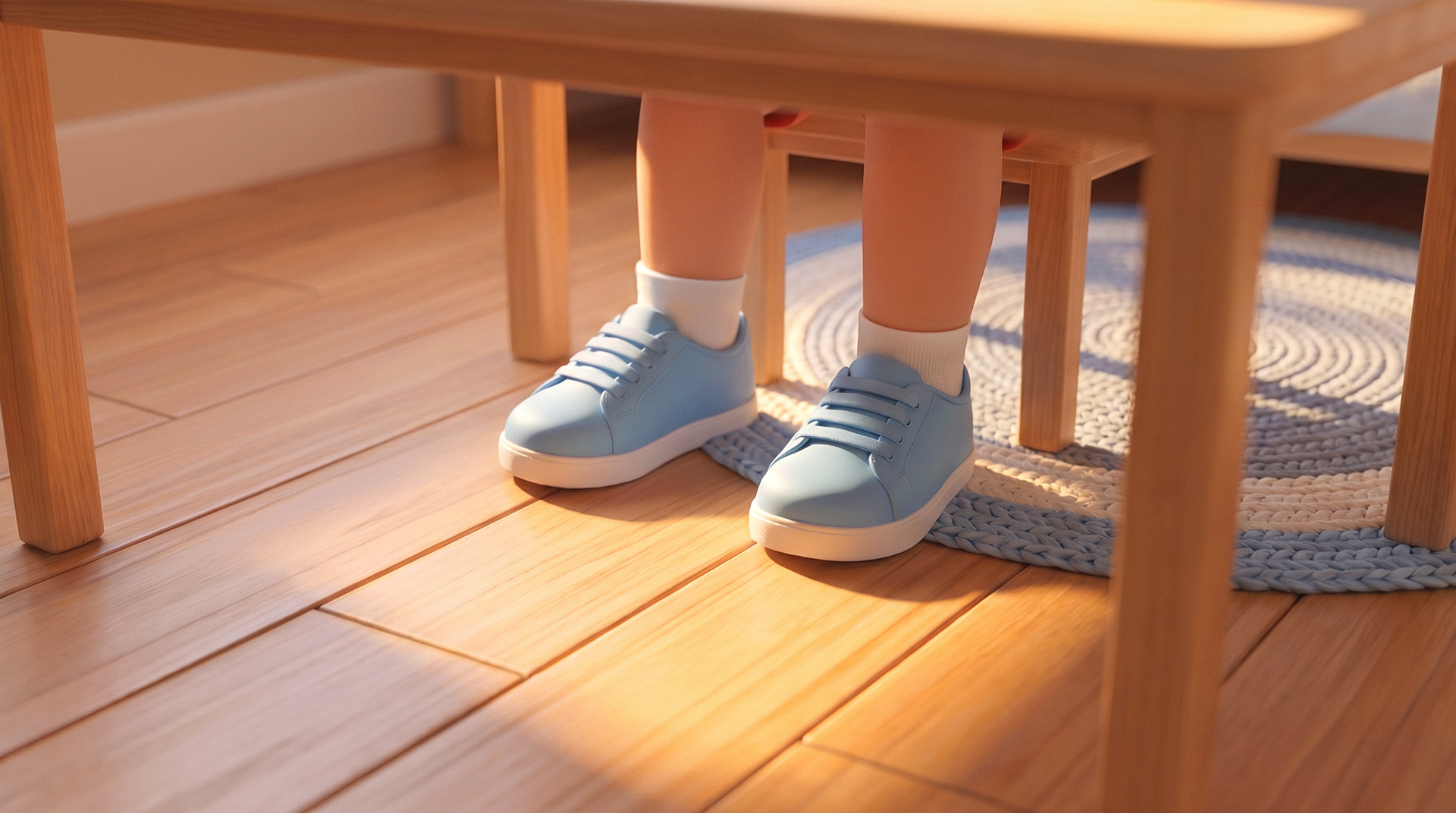
O filme foi integralmente produzido com inteligência artificial generativa. A direção de arte foi construída quadro a quadro: cada cena nasceu de um still fotorreal aprovado antes de qualquer animação, com consistência de casting travada em todos os frames para preservar a identidade do Biel e do pai do início ao fim. O pipeline seguiu duas camadas. A geração de imagem foi feita no Nano Banana Pro, a partir de arquiteturas de prompt em JSON estruturado que controlam enquadramento, lente, luz e paleta — garantindo linguagem cinematográfica coerente e fidelidade de marca. O movimento veio da conversão image-to-video (Seedance, com apoio de Kling), preservando o desenho de câmera, a profundidade e o grão editorial definidos no still aprovado.
🇺🇸
To a child, a drawing is never just a drawing. It's a way of saying what words can't yet — of showing, in their own way, who matters most. "My Son's Drawings" follows Biel, one of the PiraKids characters, drawing his father as a Father's Day gift. The story is carried by the father's voice, watching his son with admiration and quiet recognition — never naming, never explaining, just seeing. The film isn't about autism. It's about a father who sees his son exactly as he is, and takes pride in it. Those who recognize the signs will recognize them. For everyone else, it's simply a beautiful story about a father and his son.
The film was produced entirely with generative AI — no live-action shoot, no physical cast, no set. Art direction was built frame by frame: every scene began as an approved photorealistic still before any animation, with casting consistency locked across all frames to preserve Biel's and the father's identity from start to finish. The pipeline ran in two layers. Image generation was done in Nano Banana Pro, driven by structured JSON prompt architectures controlling framing, lens, light and palette — ensuring coherent cinematic language and brand fidelity. Motion came from image-to-video conversion (Seedance, supported by Kling), preserving the camera design, depth and editorial grain defined in the approved still.
The film was produced entirely with generative AI — no live-action shoot, no physical cast, no set. Art direction was built frame by frame: every scene began as an approved photorealistic still before any animation, with casting consistency locked across all frames to preserve Biel's and the father's identity from start to finish. The pipeline ran in two layers. Image generation was done in Nano Banana Pro, driven by structured JSON prompt architectures controlling framing, lens, light and palette — ensuring coherent cinematic language and brand fidelity. Motion came from image-to-video conversion (Seedance, supported by Kling), preserving the camera design, depth and editorial grain defined in the approved still.